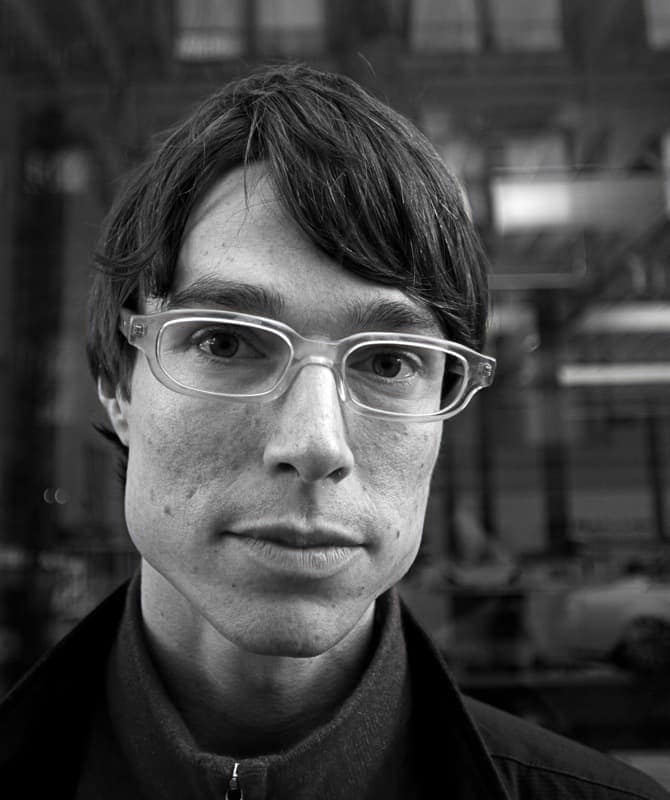

A portrait session is harder than it looks. Most people discover this about thirty seconds after the first frame, when they realize they have no idea what to do with their hands, their face, or the approximately ten thousand micro-decisions their body is making without their permission.
That’s where direction matters. A session with Ben means someone is paying close enough attention to notice what you can’t see yourself. The angle of the shoulders relative to the camera. The rotation of the torso that changes how much space you occupy in the frame. The camera height that can soften a jawline or strengthen one, depending on what the subject needs. These are the kinds of corrections clients feel happening without quite being able to identify what shifted.
Ben works through those details before clients realize they’re happening. The dread people arrive with tends to be gone by the first few frames.
Everyone has a good side, though most people’s understanding of which one is based on a good photo from years ago or a compliment they half-remember rather than anything they’ve actually tested. Ben tests for it early in every session. The results tend to stop people mid-sentence, because the difference between the two angles is immediate, visible, and not at all what most expect.
There are faster options now. Upload a few photos, pay a fraction of the cost, receive a set of images in minutes. The results have gotten genuinely impressive, if what you need is a plausible version of a professional.
The issue is that plausible and accurate are different things. An algorithm works from what it’s given. It produces an amalgamation: smoothed, averaged out, normalized toward a recognizable type. It has no way of knowing which side of your face leads, which shoulder sits higher, or which angle makes you look like yourself versus a confident stranger.
A session with Ben starts with those questions. The images end with answers.
Ready to find out which side is yours? Start here.